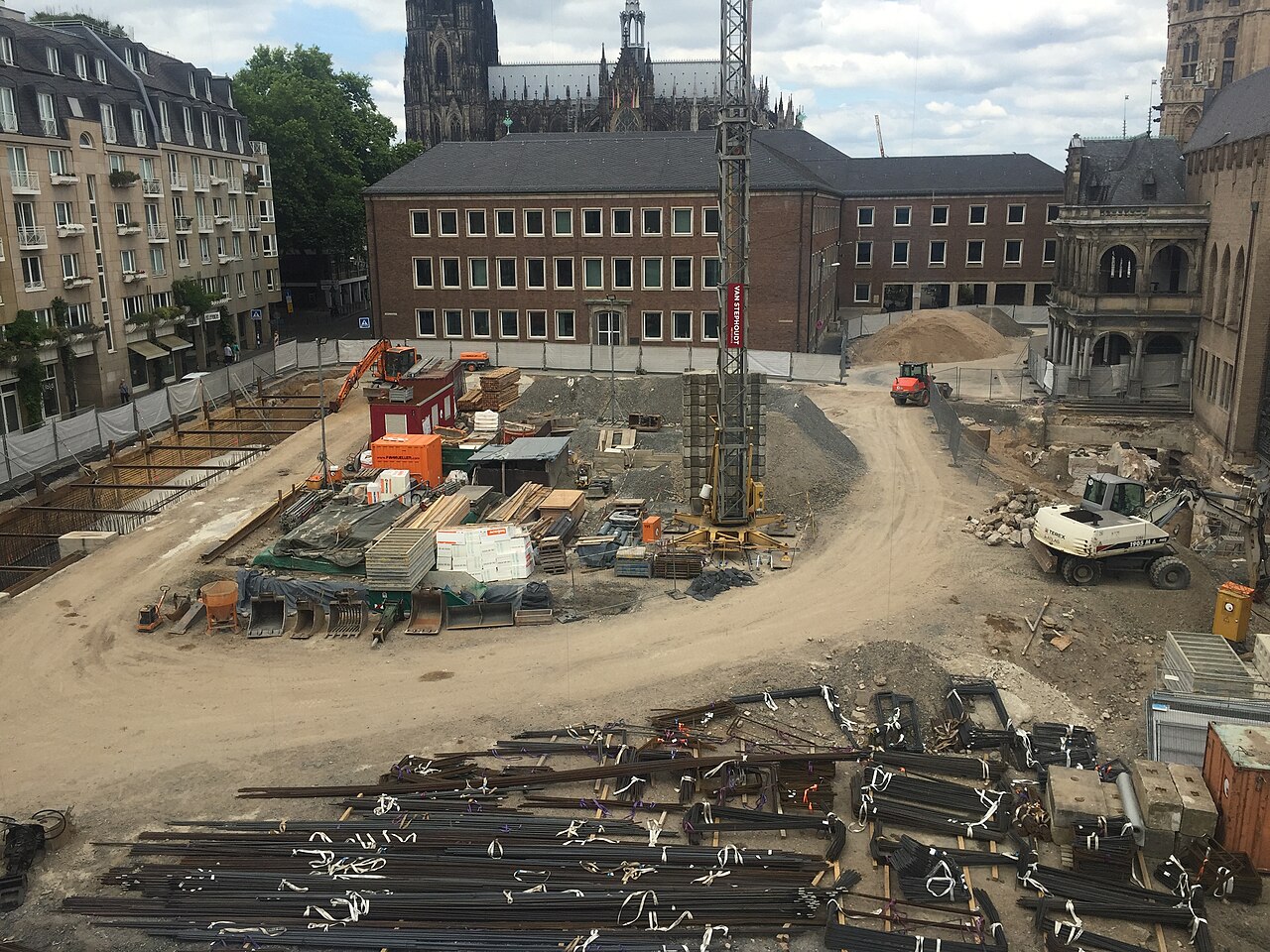
Project Scoping
Projects are scoped in detail before work begins, identifying likely complications early rather than discovering them mid-build.
Ban Construction handles residential and light commercial projects around Billings, with most of the real work happening in planning before a site is ever broken.
Delays and budget overruns rarely come from the physical work itself — they come from planning gaps discovered mid-project.
Scope is defined in detail before work begins, reducing the chance of costly mid-project changes.
Projects are overseen directly rather than handed off entirely to subcontractors without supervision.
Timelines account for Montana weather and material lead times rather than best-case assumptions.
Clients are updated at defined project milestones rather than left waiting until the end to see progress.
From an initial site visit to final walkthrough, most projects pass through a similar sequence.
The site is assessed and the project scope is defined in enough detail to plan realistically.
A timeline is built accounting for material lead times, permitting, and seasonal weather considerations.
Work proceeds with direct oversight, and clients are updated at defined milestones along the way.
Completed work is reviewed together with the client before the project is considered finished.
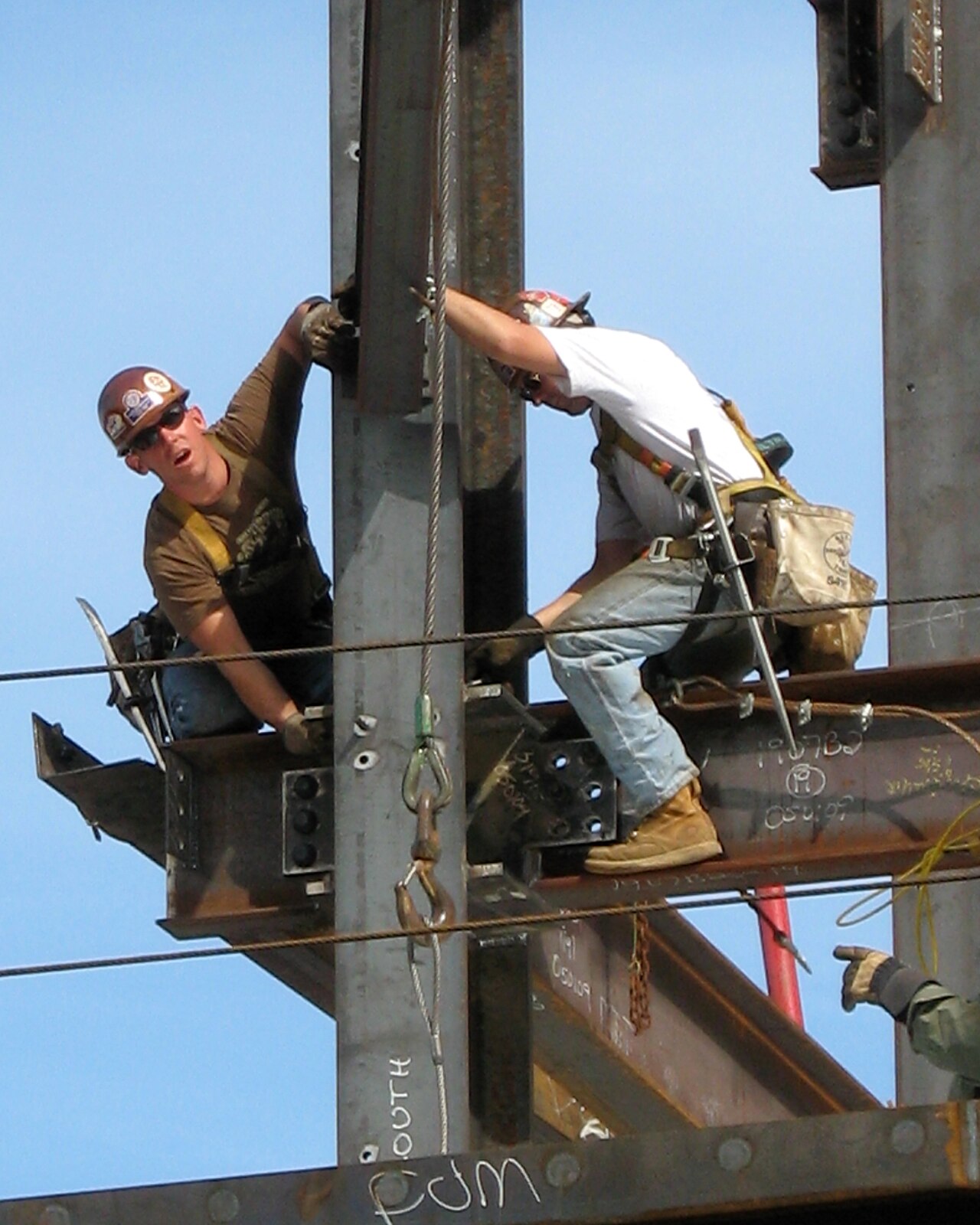
Ban Construction operates out of East Copper Ridge Loop, taking on residential and light commercial projects across the Billings area.
Montana's weather window shapes a lot of scheduling decisions, which is part of why planning happens well before any site work actually starts.
Read our full story
A vague scope tends to produce vague timelines, and vague timelines are where budgets start to slip once a project is already underway.
Spending real time on scoping before any site work begins is one of the more reliable ways to avoid costly mid-project surprises later.
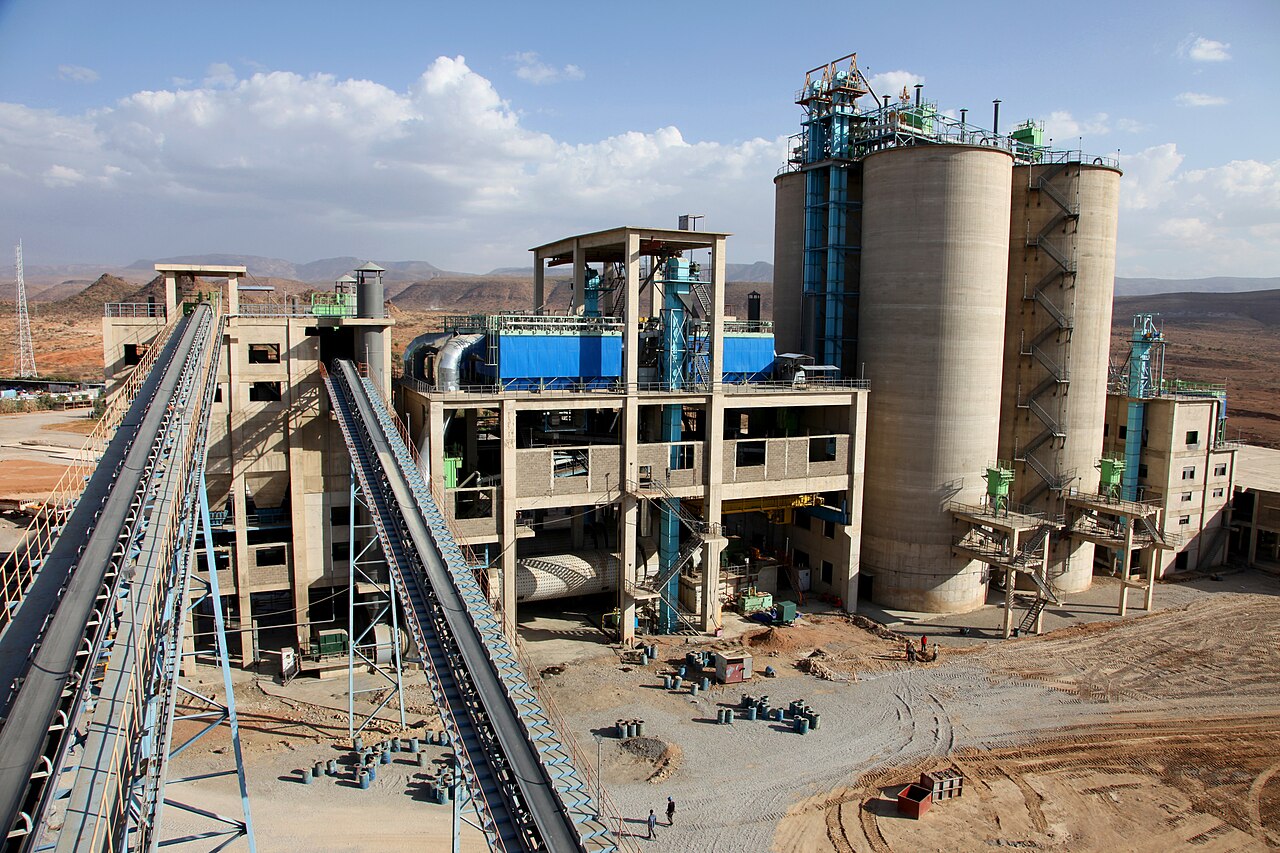
Billings' weather window is real and has to be planned around rather than ignored, especially for projects with exterior work that depends on the season.
That means schedules sometimes look conservative compared to what a client might expect, but they tend to hold up better once the project is actually underway.
Each service below reflects a stage of the same disciplined approach to project delivery.
Projects are scoped in detail before work begins, identifying likely complications early rather than discovering them mid-build.
Site work is planned around Montana's seasonal weather patterns, aiming for realistic timelines rather than best-case scheduling.
Work proceeds under direct oversight, with milestone updates provided so clients are not left waiting until the very end to see progress.
A short list of habits behind how projects are planned and run.
Scope is defined thoroughly up front to avoid costly mid-project changes later.
Timelines account for Montana weather rather than assuming ideal conditions throughout.
Projects are supervised directly rather than handed off entirely without check-ins.
Clients are updated at defined points, not left waiting until the very end.
Reach out to schedule a site visit and talk through scope, timeline, and budget before committing to anything.