A planning-first approach to building
Most construction delays trace back to a planning gap, not the physical work itself, and that shapes how every project starts here.
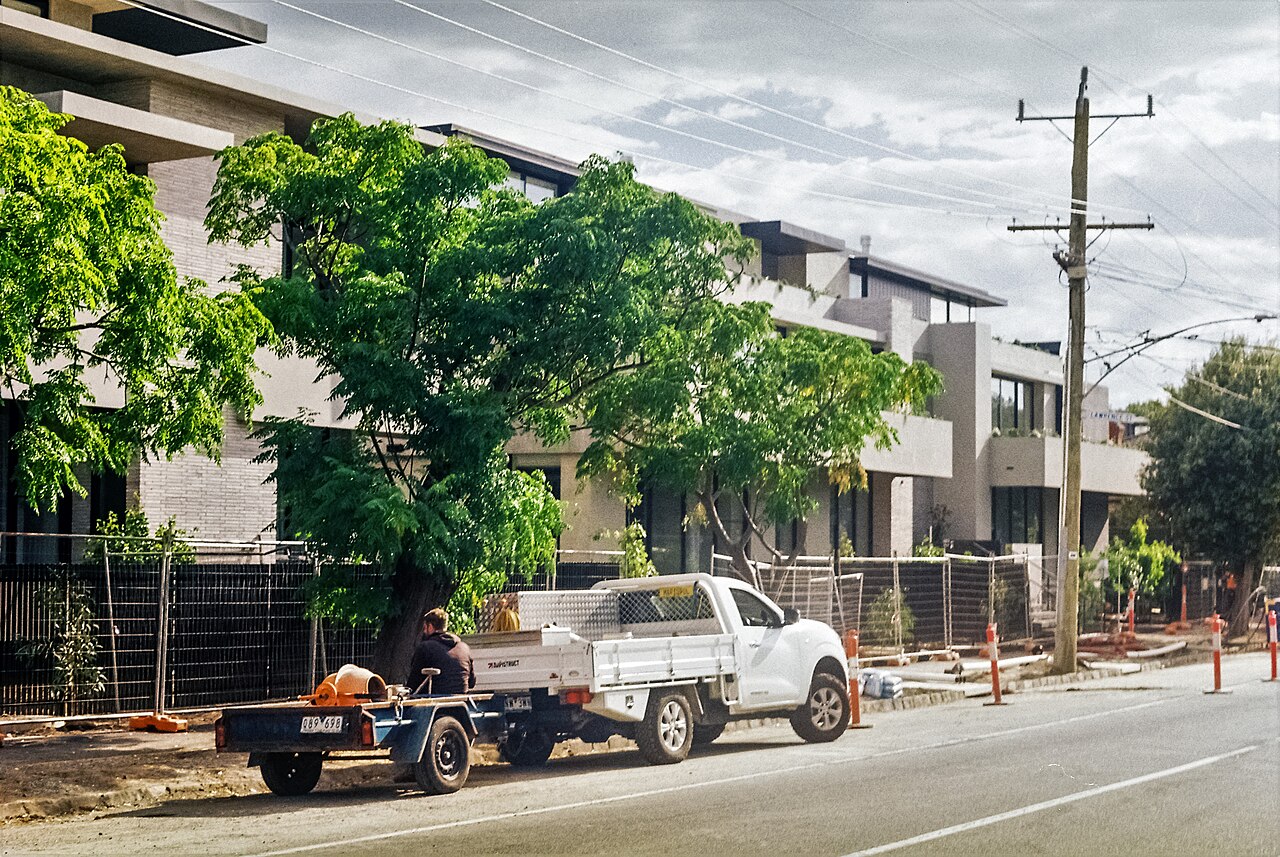
Why the scoping stage gets so much attention
A vague scope tends to produce vague timelines, and vague timelines are where budgets start to slip once a project is already underway.
Spending real time on scoping before any site work begins is one of the more reliable ways to avoid costly mid-project surprises later.
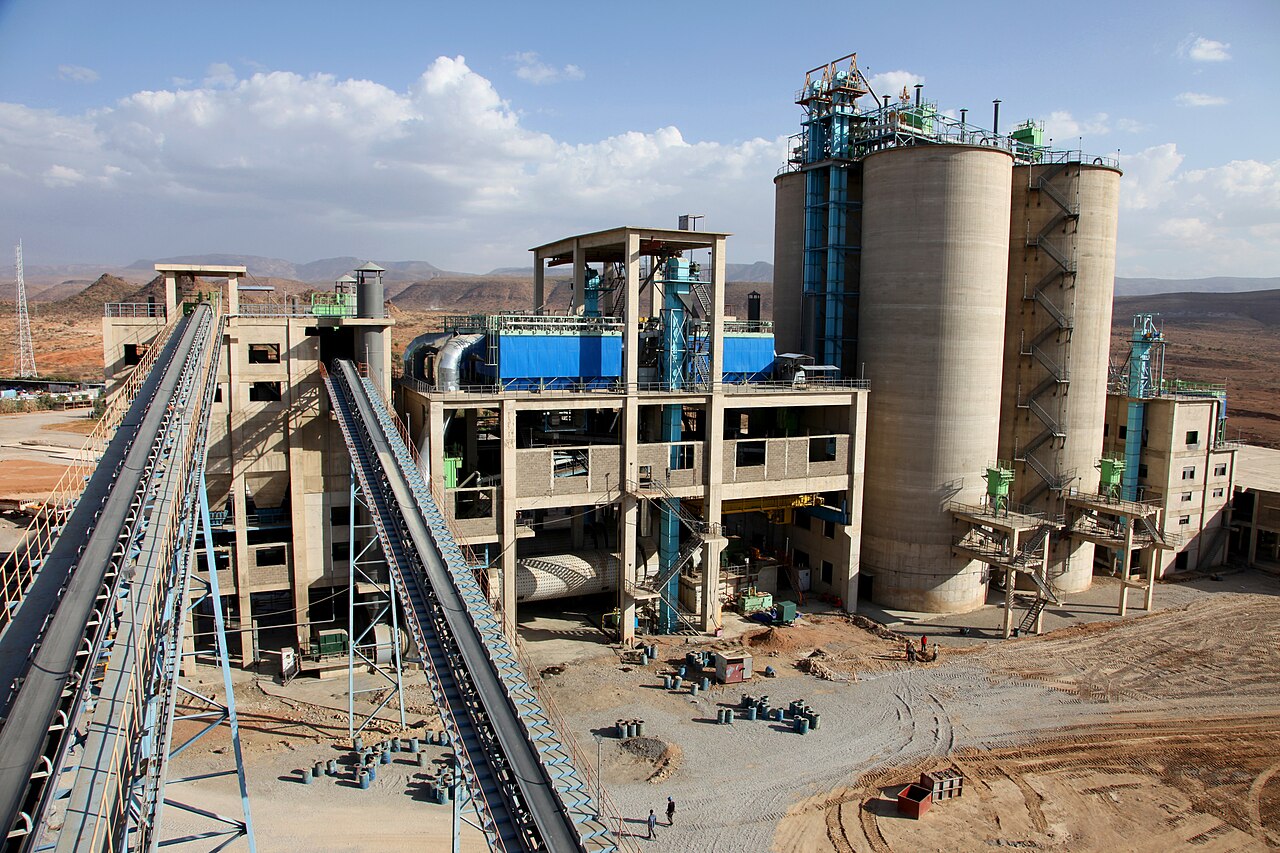
Building around a Montana calendar
Billings' weather window is real and has to be planned around rather than ignored, especially for projects with exterior work that depends on the season.
That means schedules sometimes look conservative compared to what a client might expect, but they tend to hold up better once the project is actually underway.
What guides the work
A short list of habits behind how projects are planned and run.
Detailed scoping
Scope is defined thoroughly up front to avoid costly mid-project changes later.
Season-aware scheduling
Timelines account for Montana weather rather than assuming ideal conditions throughout.
Direct oversight
Projects are supervised directly rather than handed off entirely without check-ins.
Milestone communication
Clients are updated at defined points, not left waiting until the very end.
Discuss your project
Reach out to schedule a site visit and talk through scope, timeline, and budget before committing to anything.